

LED 2.0: Key Takeaways
-
More than energy savings: LED 2.0 goes beyond traditional LEDs by improving light quality, reliability, controls, connectivity, and overall facility performance.
-
Lower operating costs: Higher efficiency combined with smart controls (occupancy sensors, daylight harvesting, scheduling) delivers greater long-term energy savings.
-
Reduced maintenance: Longer fixture life, better thermal management, and improved component reliability mean fewer failures, replacements, and disruptions.
-
Supports sustainability goals: Helps reduce energy consumption, carbon emissions, and waste while supporting ESG and sustainability initiatives.
-
Improves workplace performance: Better lighting quality enhances safety, productivity, comfort, and accuracy for tasks requiring precision.
-
The Importance of Advanced Optics: Advanced optics improve light distribution, reduce glare, and maximize efficiency, creating safer, more productive spaces with fewer fixtures.
-
Smart-building ready: Integrates with connected building technologies, enabling advanced controls, energy management, occupancy monitoring, and future IoT applications.
-
Bottom line: LED 2.0 transforms lighting from a simple utility into a strategic asset that lowers costs, improves operations, and prepares facilities for the future.
For years, LED lighting has been the gold standard for reducing energy consumption, lowering operating costs, and improving lighting performance. But as facilities become smarter, sustainability goals become more ambitious, and maintenance budgets continue to tighten, traditional LED technology is no longer the finish line. It is the starting point.
Welcome LED 2.0: the next generation of lighting solutions designed to deliver not only greater efficiency but also longer life, enhanced performance, and better integration with modern facility operations.
What Makes LED 2.0 Different?
Traditional LED lighting transformed the industry by significantly reducing energy use compared to fluorescent, metal halide, and high-pressure sodium fixtures. However, many first-generation LED systems were designed primarily to provide a more efficient light source.
LED 2.0 takes a broader approach.
Instead of focusing solely on energy savings, LED 2.0 solutions are engineered to optimize the entire lighting ecosystem. This includes:
- Higher efficacy and improved light output, with leading solutions now exceeding 200 lumens per watt (LPW)
- Advanced thermal management that extends fixture life
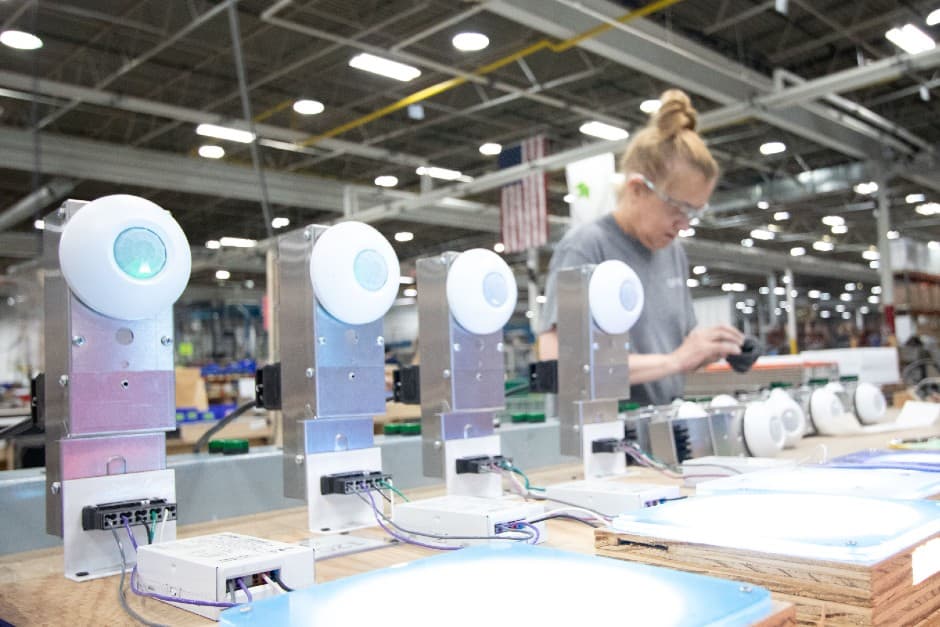
- Smarter controls and connectivity options
- Better light quality and uniformity
- Enhanced reliability in demanding environments
- Reduced maintenance requirements
Today's facilities need lighting systems that do more than illuminate a space. They must support operational efficiency, employee productivity, safety initiatives, and sustainability objectives.
Beyond Energy Savings
Energy savings remain one of the primary drivers for lighting upgrades, but LED 2.0 delivers benefits that extend far beyond lower utility bills.
Modern LED systems can dramatically reduce overall energy consumption while maintaining or improving visibility throughout a facility. When paired with controls such as occupancy sensors, daylight harvesting, and scheduling capabilities, energy reductions become even more significant.
For facility managers, this translates into measurable operational savings year after year.
For executives, it means a project with a clear and quantifiable return on investment.
The Maintenance Advantage
One of the most overlooked costs associated with facility lighting is maintenance.
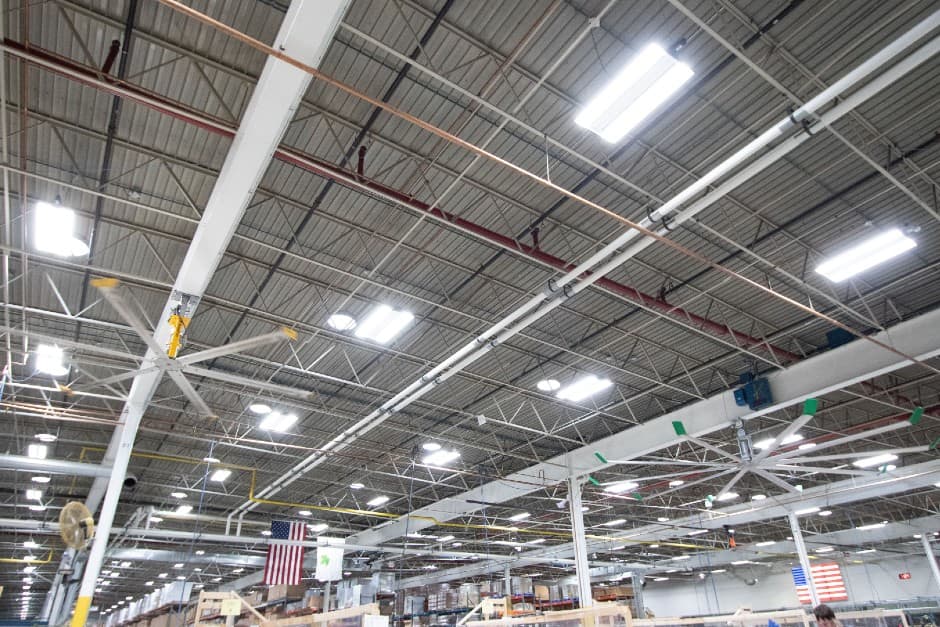
Replacing failed lamps, renting lifts, scheduling labor, and disrupting operations all contribute to the true cost of ownership. In manufacturing facilities, warehouses, transportation hubs, and other high-bay applications, these expenses can quickly exceed the cost of the fixture itself.
LED 2.0 addresses these challenges through:
- Longer operating life
- Improved component reliability
- Better heat management
- Reduced failure rates
- Fewer replacement cycles
Many LED 2.0 fixtures are designed to maintain at least 70% (L70) of their initial light output after 100,000+ hours of operation, significantly reducing relamping and maintenance costs.
As a result, organizations can spend less time managing lighting systems and more time focusing on core business operations.
Supporting Sustainability Goals
Organizations across virtually every industry are under increasing pressure to reduce carbon emissions and demonstrate measurable sustainability progress.
Lighting remains one of the simplest and most cost-effective ways to make an immediate impact.
LED 2.0 helps organizations:
- Lower electricity consumption
- Reduce greenhouse gas emissions
- Extend asset life cycles
- Support ESG and sustainability initiatives
Unlike many large-scale infrastructure projects, lighting upgrades can often be implemented with minimal disruption while delivering immediate environmental benefits.
Better Lighting, Better Performance
Lighting quality impacts more than visibility.
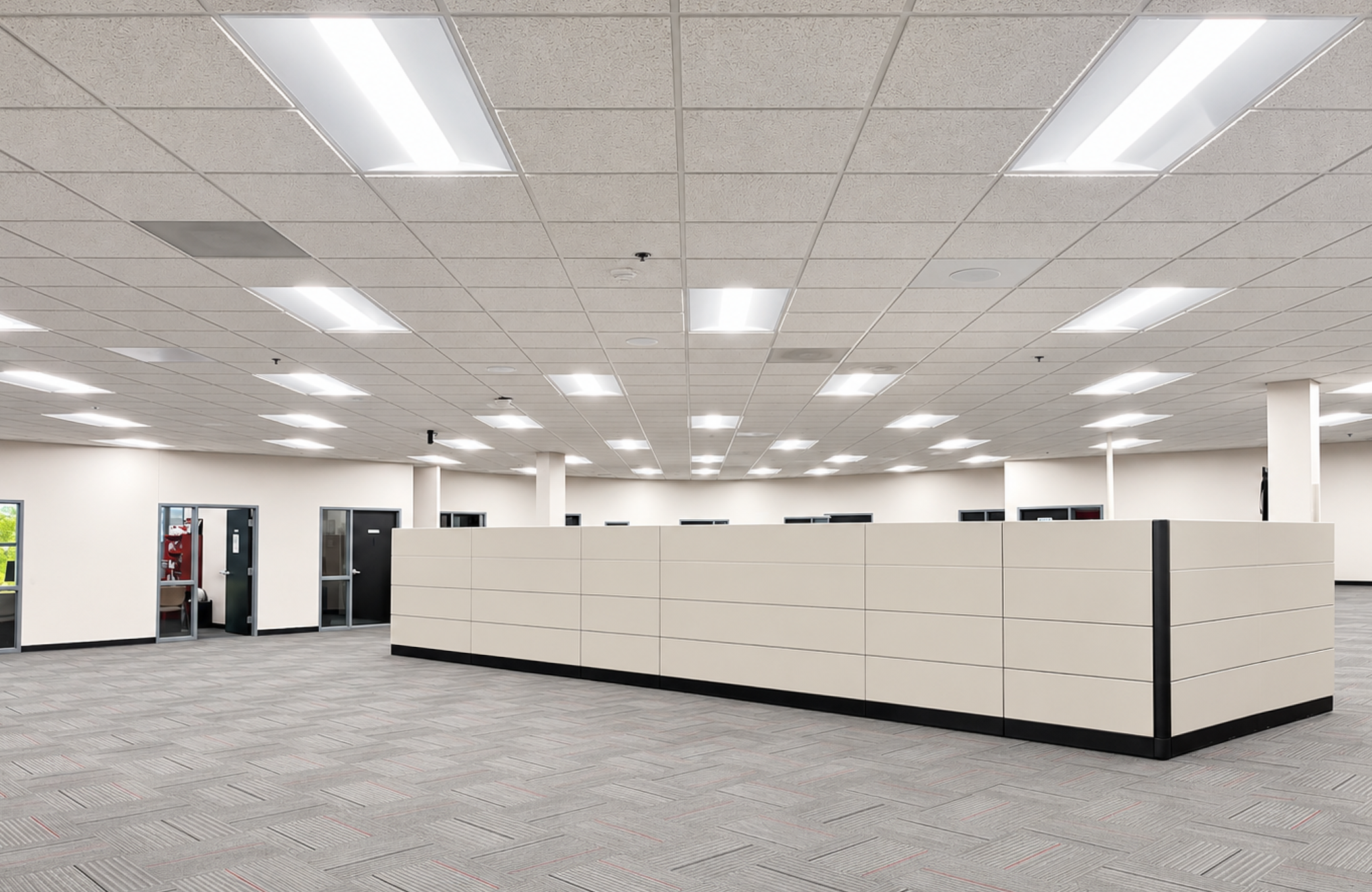
Poor lighting can contribute to worker fatigue, reduce productivity, create safety hazards, and affect quality control. LED 2.0 solutions are designed to provide more consistent illumination, improved color rendering, 80+ CRI light quality, and better light distribution throughout a facility.
The result is a workplace that is:
- Safer
- More productive
- More comfortable for occupants
- Better suited for precision tasks and inspections
For industrial and commercial facilities, these improvements can have a direct impact on operational performance.
The Importance of Advanced Optics
Lighting performance is not determined solely by lumens. Advanced optical systems play a critical role in directing light where it is needed most.
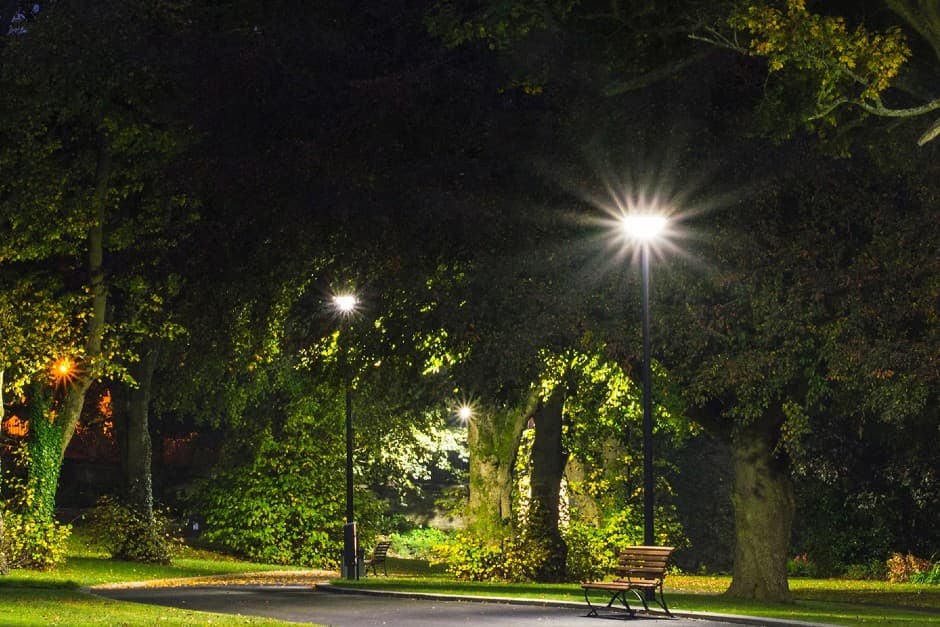
LED 2.0 solutions utilize precision optics to improve light distribution, reduce glare, increase uniformity, and minimize wasted light. By matching optical distributions to specific applications in warehouses, manufacturing facilities, parking areas, and outdoor environments, organizations can achieve better visibility while maximizing energy efficiency.
Effective optics help facilities do more with fewer fixtures, creating a safer, more comfortable, and more productive environment.
Building the Facility of the Future
As smart-building technologies continue to evolve, lighting infrastructure is becoming a foundational component of connected facilities.
LED 2.0 systems can serve as a platform for advanced controls, occupancy monitoring, energy management, and future Internet of Things (IoT) applications.
Rather than viewing lighting as a standalone utility, forward-thinking organizations are treating it as part of their broader digital transformation strategy.
The Bottom Line
LED lighting changed the way facilities think about energy efficiency. LED 2.0 is changing the way organizations think about lighting itself.
By combining exceptional energy savings, reduced maintenance requirements, improved lighting quality, and smart-building capabilities, LED 2.0 represents a new standard for facility performance.
For organizations looking to lower costs, achieve sustainability goals, and prepare for the future, the question is no longer whether to invest in LED technology. The question is whether their current lighting system is ready for the next evolution.